
If you’ve been paying attention to gaming news lately, you probably felt it: something big shifted at Xbox.
It happened fast — and it’s leaving both fans and industry insiders buzzing with excitement, confusion, and, let’s be honest, a little bit of anxiety.
So what’s going on? Let’s break it down in plain English — and with some real facts.

🧠 The End of an Era: Phil Spencer Steps Down
For nearly four decades, Phil Spencer was the face of Xbox — a leader who shepherded the brand through some of its biggest moments: the rise of Xbox Game Pass, massive studio acquisitions like Activision Blizzard and ZeniMax, and the transformation of Xbox into a multi-platform entertainment ecosystem. He’s been at Microsoft since 1988 and led Xbox for more than a decade before this week’s announcement that he’s retiring.
In his own words, Spencer said stepping back was a personal choice — the right moment after a long career. He’ll stay on in an advisory role through the summer to help ensure a smooth transition.
Spencer’s departure isn’t just a leadership change — it marks the closing of one of the most influential chapters in gaming business leadership in recent years.

👩💼 A New Boss With a Very Different Background
Replacing Spencer is Asha Sharma, a leader most gamers had never heard of before this week. That’s because, until recently, she wasn’t a gaming executive — she was a key leader in Microsoft’s CoreAI division, focused on artificial intelligence, and before that she worked in tech leadership at places like Instacart and Meta.
That combination — AI expert + no gaming background — is exactly what made this announcement catch fire online.
In her first messages to the company and public, Sharma has laid out three priorities:
- Recommit to Xbox’s core fans and gaming roots — starting with consoles.
- Protect the creative spirit of games — by making sure new technology aids, not replaces, human creativity.
- Make Xbox feel great across PC, consoles, cloud, and future platforms.
Her phrasing — like saying Xbox won’t let its ecosystem be filled with “soulless AI slop” — matters. It shows she gets what gamers worry about, even if she doesn’t come from a traditional gaming résumé.

🤖 The AI Question — And Why It Matters
Let’s talk about the elephant in the room: AI.
Microsoft’s overall corporate strategy has been centered on AI for years, especially under CEO Satya Nadella. So when someone with a deep AI background like Sharma gets tapped to run Xbox, naturally the gaming community raises an eyebrow.
Here’s the real takeaway from the latest leadership comments:
- Microsoft is not forcing studios to use AI in game creation.
- Sharma and Chief Content Officer Matt Booty have both said AI will be treated as a tool — e.g., for debugging or speeding up workflows — not as a shortcut for art or storytelling.
- The message from leadership is clear: creative control stays with human artists.
That’s a smart framing, because a lot of fans were worried that an AI-first CEO would mean more “automated” content instead of deep, crafted games. Right now, executives are pushing back hard on that narrative.
Still — rumors and fear exist. Some industry veterans have publicly questioned whether Microsoft is shifting away from traditional gaming toward AI and services, even suggesting the Xbox brand as we know it might eventually fade.
But that’s not what Microsoft is saying publicly — yet.
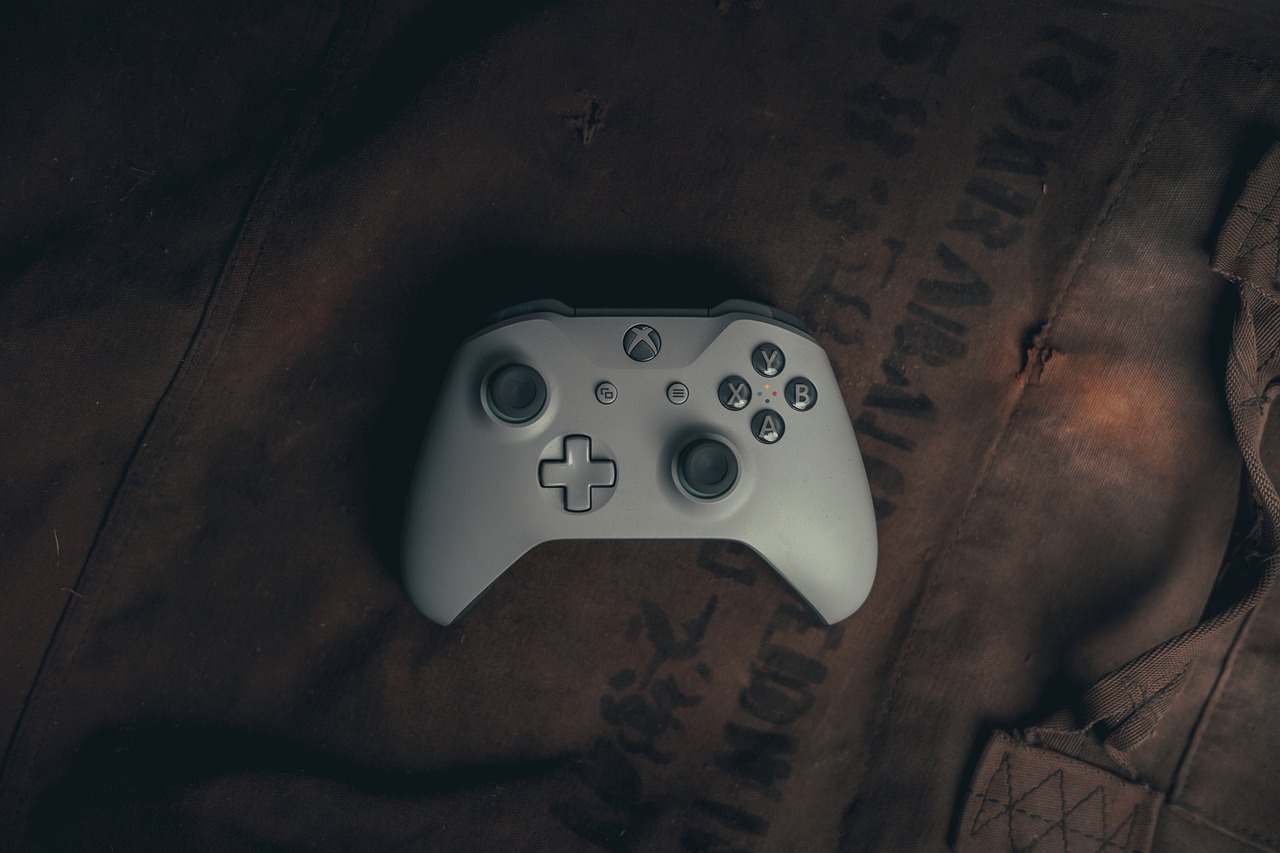
🎮 What This Means for Games, Exclusives, and Strategy
One of the biggest questions on everyone’s mind is exclusives — the classic “killer app” of console wars.
For years, Xbox effectively shelved strict exclusives in favor of releasing big titles like Halo, Forza, and Starfield on multiple platforms, including PlayStation and Nintendo in some cases. That’s a strategic bet on reach, not hardware sales.
Sharma hasn’t ruled out returning to traditional exclusives entirely. Instead, she’s taking a data-first approach, saying she needs to understand why past decisions were made before deciding what comes next.
That’s refreshing — but honestly, it also underscores how uncertain Microsoft’s gaming strategy feels right now.

🗣 Community Reactions: Mixed, Passionate, Real
Scroll through social feeds and forums, and you’ll see three big moods:
🎉 Optimists: They see new leadership as a chance to reset Xbox’s focus on games and fans.
😬 Worried voices: They fear a lack of gaming experience at the top means Xbox could drift from what made it great.
😮 Skeptics: Some even think this is Microsoft quietly sidelining gaming in favor of AI-driven goals.
Honestly, all those reactions make sense. This is a huge transition, and humans don’t like ambiguity.
🧠 The Bottom Line
Here’s where things stand, distilled down:
✔️ One of Xbox’s longest-serving leaders just left after nearly 40 years.
✔️ A new CEO with a very different background just stepped in.
✔️ Leadership is promising to protect what fans love while expanding into new territories.
✔️ The future of exclusives, hardware, and strategy is still very much to be decided.
And maybe that’s the real story here: Xbox isn’t done — it’s asking the question:
What does Xbox need to be in 2030 — and who is it for?
That’s a much bigger question than “PS vs. Xbox,” and it’s what will define this next chapter.
Author

user@example.com
Related Posts

How to Use AI Tools to Save 2 Hours Every Day (Beginner’s Guide)
Last updated: March 2026 | 9 min read | Beginner friendly What would you do with two extra hours every day? That’s...
Read out all
How to Use ChatGPT to Write Emails (Step-by-Step for Beginners)
Last updated: March 2026 | 7 min read | Beginner friendly Writing emails takes up a surprising chunk of your day. Whether...
Read out all
ChatGPT vs Claude: Which AI Assistant is Better for Productivity? (2026)
Last updated: March 2026 | 8 min read | Beginner friendly You’ve probably heard of both ChatGPT and Claude. They’re two of...
Read out all
7 Best AI Productivity Tools in 2026 (Honest Reviews for Beginners)
Last updated: March 2026 | 10 min read | Beginner friendly If you’ve been hearing a lot about AI tools lately but...
Read out all
What Is Phishing? A Simple Guide to Staying Safe Online and Avoiding Scams In 2026
If you use email, text messages, or social media, you’ve probably been targeted by phishing — even if you didn’t realize it....
Read out all
How to Free Up Storage on Windows and Mac in 2026
Running out of storage is one of the most common computer problems.Your laptop gets slow, updates fail, and you keep seeing annoying...
Read out all