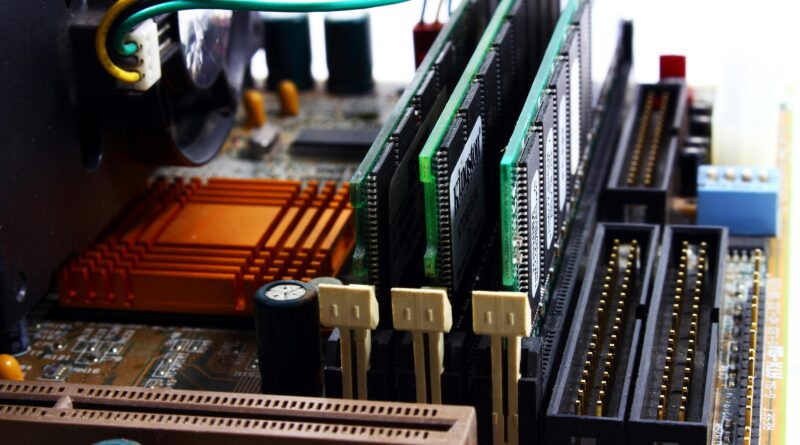
Out of Memory: How AI Turned RAM Into the World’s Hottest Tech Commodity
If you’ve ever upgraded a PC or dreamed of building one, you probably took RAM (Random-Access Memory) for granted. But lately, RAM prices have been behaving like they’ve gone to an elite tech gym — bulking up fast and flexing on everyone. Welcome to the global RAM shortage, where memory chips are in short supply and prices are exploding. Let’s dive into this crisis before you get slapped in the face at checkout.
Before the Shortage: A Memory Market at Peace
For many years, the RAM market was a classic case of supply and demand doing a lazy tango. Prices would go up when gadgets were selling fast, then drop when manufacturers cranked out too many chips. It was predictable — sometimes too predictable. Even memory pricing cycles became a subject at economics conferences.
Back in the early 2020s, the memory industry was recovering from the broader global chip shortages triggered by the pandemic (remember when everyone couldn’t get PlayStations or graphics cards?). But by 2024, things looked balanced — at least on the surface — with PC makers, phone manufacturers, and cloud companies all getting enough RAM to keep things moving.
🤖 What Changed? (Hint: It Involves AI, Massive Data Centers, and Memory Gluttony)
In very simple terms: AI eats memory for breakfast. Big models — like the kind used by ChatGPT, image generators, or giant enterprise intelligence systems — need huge amounts of memory to function. And not just any memory: high-performance types like DDR5 and High-Bandwidth Memory (HBM).

AI Giants Gobbling Up RAM
One of the most telling facts: OpenAI and other big AI players contracted around 900,000 DRAM wafers per month, representing roughly 40% of the global DRAM supply. That’s like one group ordering almost half of all the pizza in the world for a single party.
Factories have limited space. If you decide to devote more factory time to making components for Tesla’s self-driving computers and AI servers, that’s less time making everyday RAM. That’s pretty much what’s happened — manufacturers are allocating more capacity to HBM and DDR5 because those chips sell for higher prices and are locked into long-term contracts.
And yes, this shift is intentional. Manufacturers like Samsung, SK Hynix, and Micron are phasing out older memory production lines (like DDR4) in favor of newer technologies that bring in bigger profits — even if it means fewer chips available for everyday laptops.
💸 So the Supply Is Tight — But What Does That Actually Look Like?
Now here’s where the wallet starts to feel it.
Crazy Price Spikes
RAM prices absolutely exploded in 2025:
- Average **DRAM contract prices shot up by **about 171.8% year-over-year — outpacing even the price of gold.
- Some server memory prices reportedly doubled or more (with up to 50% increases on certain DDR5 modules) as big cloud providers fought over limited stock.
That’s right: RAM now costs so much that prices for large server memory modules in China literally rival the cost of apartments in Shanghai. A 256 GB stick of server DDR5 memory was reported at over 40,000 yuan (around $5,700) — crazy even for tech addicts.

Shortages for Everyone Else
While AI data centers get priority, other customers are being left with crumbs:
- Some large buyers only get about 70% of their memory orders fulfilled due to tight supply.
- Internet chatter even shows consumers posting screenshots of memory kits that jumped from $220 to over $900 in just weeks — price swings most of us only saw during GameStop stock dramas.
🏷️ Why You Might Notice This in Real Life
If you’re not running a data center, you’re probably seeing this filter into everyday electronics:
📈 Prices on PCs, Phones, and Gadgets Go Up
Memory isn’t just a tiny dollar figure buried in a spec sheet. It’s a key part of device costs. Analysts say:
- PC prices could rise 15–20% in 2026 because of memory cost inflation.
- Major manufacturers are already warning customers about price hikes.
This means you might want to think twice about your next laptop, gaming rig, or even smart appliance purchase– and not just because of inflation or flashy new features.

🛠️ Manufacturers Are Making Money — So Why Not Build More RAM?
Great question! You’d think chip makers would say, “People want RAM, let’s build more!” But building memory chips isn’t like flipping burgers. It’s expensive and slow:
- Fabs cost billions of dollars and take years to build. Even with new investments (like at Micron), meaningful new capacity won’t arrive until late 2027 or later.
- Meanwhile, AI memory types like HBM use up roughly three times the wafer capacity of standard DDR5, meaning factories working on those leave less room for ordinary RAM.
So companies are making more expensive chips because they bring in bigger profits today — but that slows expanding the basic RAM supply that everyday users need.
🧠 Current Problems — Not Just Prices
There are other weird effects too:
Panic Buying and Hoarding
System builders and tech companies are placing large orders just in case. That drives prices up further — sort of like if everyone started hoarding toilet paper after a certain world virus.

Old Memory Lines Disappearing
Some manufacturers are even shutting down consumer-focused brands! Micron’s Crucial brand, known for affordable RAM and SSDs, is being discontinued so the company can focus on selling more profitable memory to AI clients.
🔮 Where Do We Go From Here?
This shortage isn’t expected to vanish soon.
🗓️ No Quick Fix
Experts widely agree that prices won’t meaningfully drop until late 2026 — and probably not until 2027 or even 2028 when new memory fabs start producing at scale.
Memory Is Becoming Strategic
Memory is no longer a boring part of computers. It’s now a critical strategic resource — like oil was in the 20th century. Countries and companies are jockeying for supply, and geopolitical tensions can add complexity, like export controls and tariffs affecting who gets what.
🤖 AI Isn’t Slowing Down
If AI keeps growing — and there’s no sign it won’t — demand for high-performance memory will keep rising. That makes it harder for everyday devices to compete for supply without paying premium prices.
🏁 Final Thoughts: Don’t Panic — But Don’t Ignore It
So, what does all of this really mean for you?
- Your next PC build is probably going to hurt your wallet more than last time.
- Upgrading RAM might feel like buying platinum jewelry (but hopefully cheaper than that).
- And if you’re into tech stocks, memory makers are actually thriving right now — their shares have jumped sharply as investors bet the shortage will continue for years.
In human terms: the memory market has shifted from a mild game of musical chairs to a VIP concert where only AI dancers get front-row seats. And until new seats open up, the rest of us are stuck in the back — staring at ticket prices.
Nice Article.
Amazing Article.